A comfortable bed plays an essential role in creating a peaceful sleeping environment while enhancing the overall appearance of a bedroom. The right combination of support, materials, design, and practical features can make everyday rest more enjoyable. By choosing a bed that suits personal comfort needs and interior preferences, it becomes easier to create a welcoming space for relaxation and quality sleep.
1. Strong Support for Everyday Comfort
A dependable bed frame provides a stable foundation for restful nights. Proper support helps maintain the mattress position and creates a comfortable sleeping surface.
- Sturdy construction: Offers lasting stability for regular use.
- Reliable mattress support: Helps distribute weight evenly across the sleeping surface.
- Balanced structure: Reduces unnecessary movement during sleep.
- Durable materials: Contribute to long-term comfort and dependable performance.
2. Mattress Compatibility and Sleeping Quality
A suitable mattress works together with the bed frame to create a supportive sleeping arrangement. Understanding individual preferences helps make the selection process easier and more rewarding.
- Appropriate firmness: Supports different sleeping preferences.
- Even sleeping surface: Encourages comfortable resting positions.
- Breathable materials: Help maintain a pleasant sleeping environment.
- Suitable dimensions: Provide enough room for natural movement.
When exploring helpful guidance such as https://www.robuust.com/pages/wat-is-een-goed-bed, consider how construction, mattress compatibility, and personal comfort contribute to choosing a suitable bed.
3. Stylish Designs for Beautiful Bedrooms
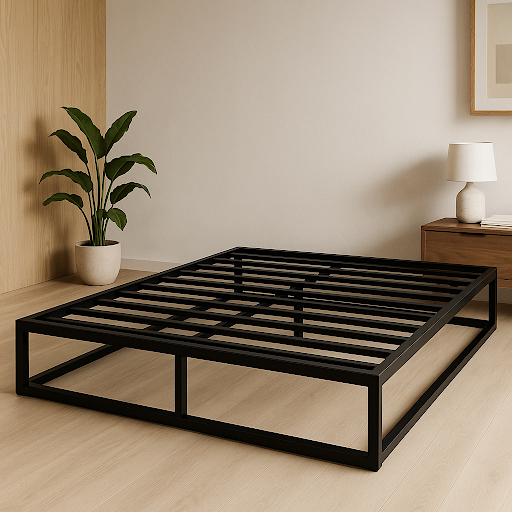
A bed often becomes the central feature of a bedroom, making its appearance important alongside its practical qualities. A thoughtfully selected design can complement existing furniture and create a harmonious atmosphere.
- Minimalist frames: Bring a clean and uncluttered appearance.
- Upholstered headboards: Add softness and visual interest.
- Natural finishes: Introduce warmth and timeless appeal.
- Elegant shapes: Create a refined and inviting atmosphere.
- Coordinated colors: Help connect the bed with surrounding decor.
4. Practical Features That Improve Convenience
Functional details can make a bed more useful while supporting an organized sleeping space. Selecting practical features helps balance comfort, appearance, and everyday needs.
- Underbed storage: Keeps extra bedding and accessories neatly arranged.
- Accessible height: Makes getting into and out of bed more convenient.
- Easy maintenance: Supports simple cleaning and regular care.
- Space-conscious design: Helps maximize available bedroom space.
- Secure fittings: Contribute to stability and dependable use.
5. Materials That Support Lasting Value
Material quality influences a bed’s durability, appearance, and maintenance requirements. Choosing suitable materials helps preserve its attractive finish while providing reliable everyday performance.
- Solid construction: Supports strength and long-term usability.
- Smooth finishes: Enhance visual appeal and comfortable handling.
- Quality upholstery: Adds texture and a welcoming appearance.
- Well-fitted components: Help maintain a balanced, stable structure.
6. Creating a Relaxing Sleeping Environment
The best bed combines comfort, functionality, and attractive design. Pairing it with suitable bedding, soft lighting, and coordinated furniture can make the bedroom feel peaceful and inviting.
- Choose pillows that suit personal sleeping preferences.
- Select breathable bedding for comfortable rest.
- Keep bedside essentials within easy reach.
- Maintain an uncluttered layout for a spacious appearance.
- Coordinate textures and colors for a consistent style.
Ultimately, selecting a bed with supportive construction, suitable dimensions, practical features, and appealing design can improve everyday comfort while elevating bedroom style. A thoughtful choice creates a relaxing foundation for restful nights and refreshing mornings.