Minor injuries can happen during daily activities, sports, household tasks, or outdoor movement. Acting quickly and calmly can help reduce discomfort, prevent complications, and support faster healing. A few simple steps taken immediately after an injury can make a big difference in recovery and comfort.
Stay Calm and Assess the Situation
The first step after a minor injury is to remain calm and check the affected area carefully. Panic may lead to rushed decisions or improper handling.
Important things to check:
- Look for cuts, swelling, bruising, or redness
- Notice if there is bleeding or tenderness
- Check whether movement feels normal
- Pay attention to unusual pain levels
- Make sure the injury is not getting worse quickly
A calm approach allows better judgment and safer care.
Clean the Area Gently
Keeping the injured area clean is one of the most helpful actions for protecting the skin and supporting recovery.
Helpful cleaning steps:
- Wash hands before touching the injury
- Rinse the area with clean water
- Remove visible dirt carefully
- Pat the skin dry with a soft cloth
- Avoid rubbing sensitive skin
Gentle cleaning lowers the chance of irritation and keeps the area fresh.
Control Minor Bleeding
Small cuts or scrapes may bleed briefly. Light pressure usually helps stop the bleeding within a short time.
Safe ways to manage bleeding:
- Use a clean cloth or sterile pad
- Apply steady and gentle pressure
- Keep the injured area elevated if possible
- Wait patiently without checking too often
- Cover the area once bleeding slows
Proper care during this stage helps the skin begin its natural healing process.
Reduce Swelling and Discomfort
Some minor injuries may cause slight swelling or soreness. Early care can help the body recover more comfortably.
Simple comfort measures:
- Rest the injured area
- Apply a cool compress for short periods
- Avoid unnecessary movement
- Sit or lie down if feeling dizzy
- Wear loose and comfortable clothing around the injury
Giving the body time to settle can improve comfort and reduce strain.
Protect the Injury
After cleaning and calming the area, protecting how to close a wound the injury helps prevent further irritation.
Good protection habits:
- Use a clean covering if needed
- Keep the area dry and tidy
- Change coverings regularly
- Avoid scratching or picking at the skin
- Keep the injured area away from dirt
Protection creates a healthier environment for healing.
Watch for Signs of Improvement
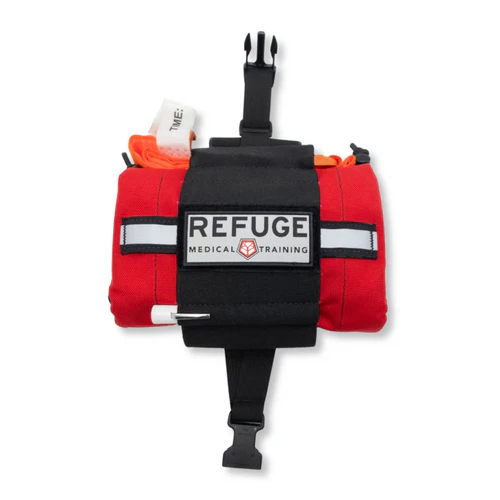
Most minor injuries improve steadily with simple care and attention.
Positive signs to notice:
- Reduced redness or swelling
- Less pain over time
- Skin beginning to close naturally
- Improved comfort during movement
- No unusual drainage or irritation
Observing progress helps ensure recovery stays on the right path.
Know When Extra Care May Be Needed
Although many small injuries heal well at home, some situations may require additional attention.
Seek further help if:
- Bleeding does not stop
- Pain becomes severe
- Swelling increases quickly
- The area feels unusually warm
- Movement becomes difficult
Early attention can help prevent small issues from becoming larger concerns.
Quick and careful action after a minor injury can support comfort, cleanliness, and smooth healing. Staying calm, cleaning the area properly, protecting the skin, and monitoring recovery are simple habits that encourage positive results. With steady care and patience, most minor injuries improve safely and naturally